Calories measure energy. Metabolism is the collection of chemical processes that keeps your body functioning. Energy balance describes the relationship between energy taken in and energy used over time. Together, these ideas help explain body-weight changes, but they do not reduce health to a number or predict an individual’s future exactly.
This guide explains calories and metabolism for adults who want a clearer picture of calorie needs, resting metabolism and everyday habits. Weight management can include maintaining weight, preventing unwanted changes or pursuing a health goal with professional support. It does not always mean trying to lose weight.

Educational information, not medical advice. This article does not provide a personal diet plan. Pregnancy, breastfeeding, growth, illness, eating-disorder concerns and unexplained weight changes need an appropriate health assessment.
What Is a Calorie?
A calorie is a unit of energy, not a nutrient or a measure of a food’s quality. On food labels, a Calorie means a kilocalorie (kcal), equal to 1,000 small calories. Some countries display food energy in kilojoules (kJ), often alongside kcal. These are different units describing the same kind of quantity.
Your body uses energy to support circulation, breathing, temperature regulation, movement, repair and other work. Eating provides both energy and materials the body needs. Two foods with the same energy value can differ in protein, fibre, vitamins, minerals, satisfaction and how they fit a meal.
Always check whether a label describes one serving or an entire package. In a fictional example, two servings containing 180 kcal each provide 360 kcal in total. That is arithmetic, not a judgment about how many servings someone should eat.
The FDA’s explanation of calories on nutrition labels notes that its 2,000-calorie reference is general nutrition guidance. It is not a universal daily requirement, and it should not override individual needs.
What Is Metabolism and How Does It Work?
Metabolism includes reactions that release usable energy from nutrients and reactions that build and maintain body structures. It continues while you rest and sleep. The phrase “how fast I burn calories” captures only part of a much broader set of processes.
Resting processes, digesting food and physical activity all contribute to energy expenditure. Activity includes structured exercise and ordinary movement: walking to a bus stop, doing housework, standing and changing position. Digestion and nutrient processing also require energy, called the thermic effect of food.
People differ in body size, composition, daily routines and biological circumstances. A higher absolute energy expenditure is not automatically healthier, and a lower estimate does not prove a metabolic problem. FAO/WHO/UNU guidance on energy requirements explains why expenditure has several components and depends on the person and their activities.
BMR vs RMR vs TDEE
These terms answer related questions at different levels. The distinction matters when comparing a calculator with a laboratory result or a wearable’s “calories burned” display.
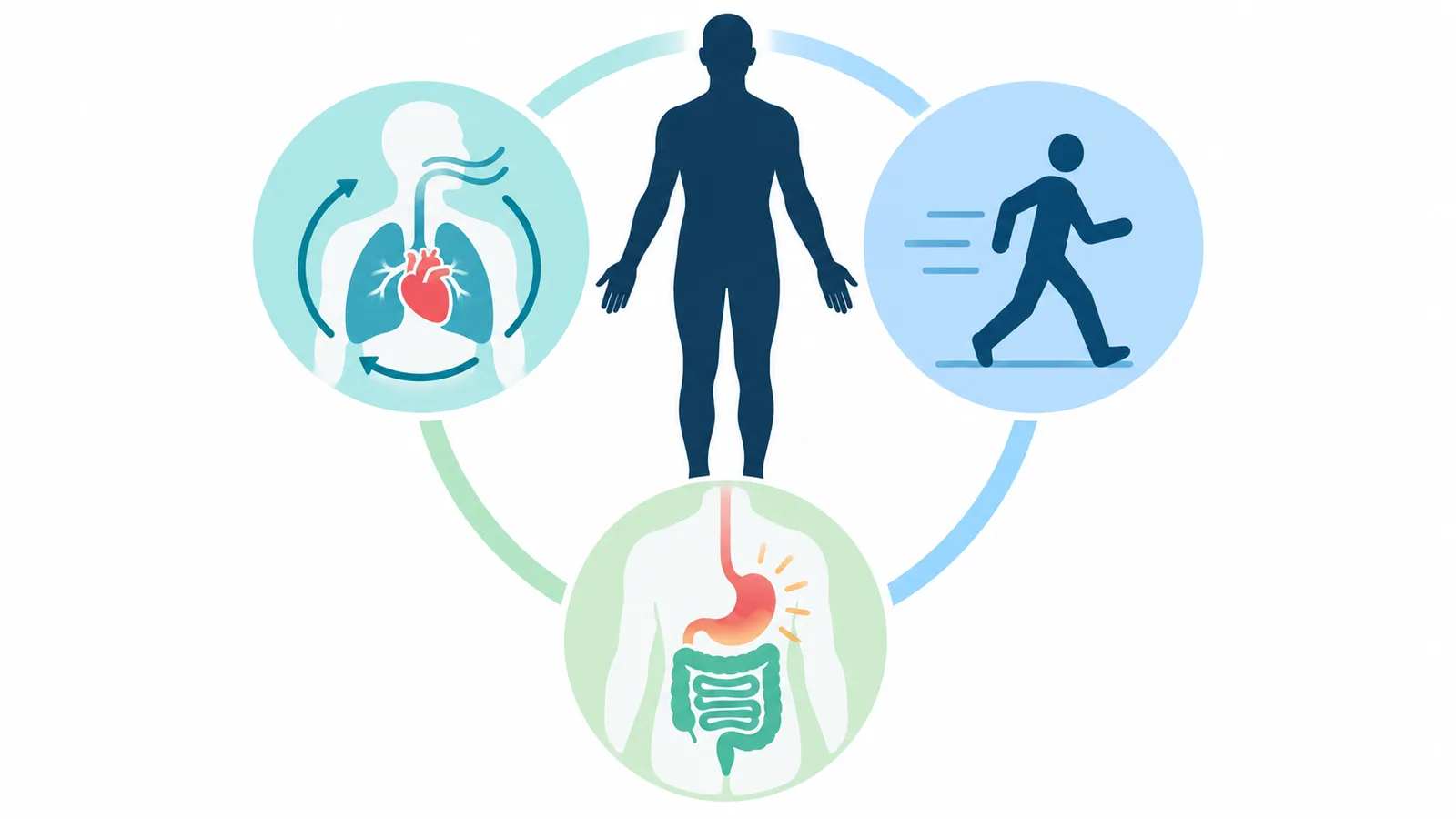
- Resting energy expenditure
- Energy for ongoing functions such as breathing, circulation and cellular work at rest.
- Physical activity
- Energy used for exercise and everyday movement, including movement outside workouts.
- Thermic effect of food
- Energy used to digest, absorb and process food. The artwork does not show fixed proportions.
Definitions and measurement conditions differ. Scroll horizontally on smaller screens.
| Term | What it describes | Important distinction | Practical use |
|---|---|---|---|
| BMR: basal metabolic rate | Energy use under strict basal conditions | Awake, resting, fasted and in a comfortable thermal environment | A standardized baseline; not total daily needs |
| RMR: resting metabolic rate | Energy use at rest under a specified protocol | Measurement conditions are generally less strict than basal conditions | Clinical resting assessment or a prediction equation |
| TDEE: total daily energy expenditure | Total energy used across a day | Includes resting expenditure, activity and food processing | Understanding overall energy balance |
The National Academies’ energy reference chapter describes the components and terminology. BMR and RMR are often used loosely online, but their measurement conditions are not identical. Do not assume a fixed percentage converts one into the other.
A calculator estimates resting expenditure; it does not perform indirect calorimetry, which assesses energy use from respiratory gas measurements. Our Calorie Calculator provides resting-energy and TDEE estimates. Its “BMR Only” label uses the familiar calculator term; the Mifflin–St Jeor model was developed to predict resting energy expenditure.
What Determines Daily Calorie Needs?
Body size and composition influence resting needs. Daily movement adds a variable component, while age, physiological circumstances, health and other factors affect the broader picture. NIDDK describes influences on weight and health, including genes, medicines, sleep and the environments in which people live.
Two people of the same weight may have different lean tissue, jobs, mobility, training and health needs. The same person may use different amounts of energy on different days. A desk-based day and a physically demanding day are not interchangeable simply because the person’s age and height stayed the same.
Equations simplify this variation using available inputs. The original Mifflin–St Jeor study developed a resting-energy prediction from a study population; it did not establish an exact requirement for every person. Sex-based equation coefficients also cannot represent every aspect of an individual’s physiology.
An activity multiplier adds further uncertainty. More decimal places make a result look precise without improving the assumptions. Read an estimated value as a starting point for understanding a model, rather than evidence that eating a little above or below it is wrong.
Understanding Energy Balance
Over time, an energy intake greater than expenditure can increase stored body energy; intake below expenditure can reduce it. Maintaining weight generally involves a changing balance rather than an identical intake and output every day.
Think of energy balance as an accounting framework. It does not explain by itself why someone feels hungry, how a medicine affects appetite, or why nutritious food and accessible movement are easier to obtain in some circumstances than others. Those influences matter when applying the framework to real life.
Body weight also includes water, digestive contents and tissues with different properties. A short-term change on a scale is not a direct measurement of fat change. A single reading cannot tell you whether a routine is helping overall health.
As body mass changes, energy needs can change. Appetite and expenditure may adapt as well. Hall and colleagues’ dynamic energy-balance research explains why a constant calorie change does not produce the same linear weight change forever. The familiar fixed-calories-per-pound shortcut is unsuitable as an exact forecast.
What Is a Calorie Deficit?
A calorie deficit means energy intake is lower than energy expenditure over the period being considered. It describes a relationship, not a universal eating target or a recommendation that every adult should pursue weight loss.
For a neutral, fictional day, suppose total expenditure is estimated at 2,400 kcal and intake is recorded as 2,200 kcal:
Estimated expenditure − recorded intake
2,400 − 2,200 = 200 kcal estimated difference
These arbitrary numbers illustrate subtraction only. Neither value is your recommended intake, and the 200 kcal difference is not a prescribed deficit. Both sides of the calculation can contain error. The result cannot be translated into a guaranteed change in body weight.
Changing intake also changes more than energy: nutrition, enjoyment, concentration and daily functioning matter. A clinician or qualified dietitian can assess whether a weight-related intervention is appropriate, particularly when medical conditions, medicines or a history of disordered eating are involved.
Does Metabolism Slow Down With Age?
The common claim that metabolism suddenly “crashes” at a particular adult birthday is too simple. Age-related changes in movement, lean tissue, health and routines can affect calorie needs, but chronological age is not the whole explanation.
In a large 2021 life-course study, Pontzer and colleagues found broadly stable adjusted total energy expenditure from about ages 20 to 60, followed by a decline in later adulthood. “Adjusted” matters: the analysis accounted for body composition. It does not say that every individual’s unadjusted expenditure stays the same, or that change begins on an exact birthday.
The findings describe population patterns, not a personal diagnosis. Someone may become less active or experience changes in lean tissue well before later adulthood. Appropriate activity, adequate nutrition and medical care remain relevant across ages; none guarantees a particular weight outcome.
Exercise, Nutrition, Sleep and Long-Term Habits

Choose movement you can return to
Walking, cycling, dancing, swimming and adapted activities can all be part of a routine. Strength-building activities support muscular function. Activity has benefits beyond calories burned, so a session does not need to produce weight loss to be worthwhile.
The CDC’s adult activity guidance recommends at least 150 minutes of moderate-intensity activity weekly and muscle-strengthening activity on two days. Any amount can bring benefits. Build gradually and adapt activity to abilities, preferences and health circumstances; seek advice when a condition affects what is appropriate.
Think about meals as nourishment
Look for variety, including vegetables, fruit, grains, protein foods and other foods that fit your preferences and needs. NIDDK’s nutrition and activity guidance emphasizes a pattern that can be maintained over time. There is room for cultural foods, convenience and enjoyment rather than a rigid list of “good” and “bad” choices.
Practical changes may mean keeping an easy meal available, planning food around a work shift or finding a movement option near home. Cost, time, disability, caregiving and food access influence what is feasible. A useful habit fits the person’s circumstances.
Make rest and support part of the picture
NHLBI explains how sleep supports physical health and metabolism, including processes related to glucose regulation and appetite. Aim for a consistent opportunity to sleep and discuss persistent sleep difficulties with a health professional. Sleep is not a metabolism hack or a promise of weight change.
Choose a manageable action, such as a regular meal break or an enjoyable walk. Judge progress by relevant outcomes: energy, strength, sleep, daily functioning or clinical measures. Missing a planned activity is information about the plan, not a moral failure.
BMI vs Body Fat vs Overall Health
BMI compares weight with height; it does not directly measure body fat or distinguish muscle from fat. The CDC describes BMI as a screening measure to interpret alongside other information. Our adult BMI Calculator explains the calculation and its limits.
Body-fat percentage describes the proportion of body mass estimated to be fat, but methods differ in accuracy and assumptions. Hydration and measurement conditions can affect some readings. Neither a body-fat estimate nor BMI measures a person’s habits, fitness, nutritional status or worth.
Health assessment can include symptoms, blood pressure, laboratory findings, medical history, body-fat distribution, strength and function. Appropriate interpretation depends on context. A number in a familiar range cannot guarantee health, and a number outside it does not supply a diagnosis on its own.
Common Myths About Metabolism
Myth: A supplement can reliably “boost” metabolism for lasting weight loss
Marketing claims often exceed the evidence. The NIH Office of Dietary Supplements reviews limited evidence and potential harms for weight-loss products. “Natural” does not establish safety. Supplements can interact with medicines; they are not a substitute for assessment or care.
Myth: Eating after a particular hour automatically causes fat gain
Meal timing can influence sleep, appetite and daily routines, but there is no universal clock-time switch. In a 2022 randomized trial, adding a specific eating window to calorie restriction did not significantly improve weight outcomes over calorie restriction alone. One study does not settle every timing question or justify a fasting prescription.
Myth: Everybody needs the same number of calories
Label reference values and online examples are not individualized requirements. Body size, activity and circumstances differ. The same calculator output also does not guarantee identical needs in two people.
Myth: A low resting estimate means your metabolism is broken
An equation result reflects its inputs and assumptions. It does not diagnose thyroid disease or another condition. Discuss persistent symptoms or unexplained changes with a clinician instead of diagnosing yourself from an online score.
Myth: Exercise matters only if it changes your weight
Movement supports health and function independently of the number on a scale. Focusing only on calorie expenditure overlooks strength, enjoyment, social connection and other useful outcomes.
Myth: Weight management requires giving up every favourite food
NIDDK’s nutrition-myth guidance explains that favourite foods can fit an overall eating pattern. Sustainable routines allow flexibility. An all-or-nothing rule is not a requirement for learning about energy balance.
Frequently Asked Questions
Are Calories and kilocalories the same?
In food-label language, yes: a food Calorie is one kilocalorie, written kcal. It is different from the small calorie used in some scientific contexts. Check units when comparing labels or tools.
Is BMR the amount I should eat each day?
No. BMR describes basal energy use under specified conditions. A day also includes food processing and movement. A resting estimate is not a dietary prescription or a universal minimum-intake rule.
How accurate is a TDEE calculator?
It provides a population-based estimate with uncertainty in both the resting equation and the activity assumption. It does not directly measure your calories burned per day. A clinical assessment may use different methods and additional information.
Why can my weight change when my habits seem unchanged?
Short-term changes can reflect fluid and digestive contents; longer-term changes can have several influences. A few readings cannot identify the cause. Seek an assessment for persistent, unexpected changes or associated symptoms rather than assuming the answer is to eat less.
Can I improve health while maintaining weight?
Yes. Regular movement, nutritious meals, sleep and appropriate care can support health without making weight change the goal. Pick outcomes relevant to your needs and discuss clinical concerns with a professional.
Is the NIDDK Body Weight Planner suitable for everyone?
No. NIDDK states that its Body Weight Planner is for adults aged 18 or older, not younger people or people who are pregnant or breastfeeding. CalcVibes’ general adult Calorie Calculator has its own scope: its inputs start at age 20. Neither tool replaces individual medical advice.
Do I need to count calories to understand energy balance?
No. You can learn the concepts and focus on supportive routines without logging food. If tracking increases anxiety or feels compulsive, step away from it and seek suitable support. Education should help you understand choices, not create pressure to monitor every meal.
Explore the Ideas With Educational Calculators
Calories describe energy, metabolism describes the processes that use and transform it, and energy balance helps explain change over time. Estimates can be useful, but they cannot capture every influence on body weight or overall health.
Use the Calorie Calculator to explore adult resting-energy and daily maintenance estimates, or the BMI Calculator to understand weight relative to height. In the Calorie Calculator, choose “BMR Only” for a resting estimate or “Daily Calorie Needs” for an approximate TDEE. These features are already available within that tool.
Related calculators
For personal decisions, consider your health history, preferences and circumstances alongside any estimate. Qualified support can help you decide which questions and measurements are useful for you.
Sources and References
Sources checked on 28 October 2026. Publication years identify individual studies, not the date this guide was medically reviewed. This article is published by CalcVibes for education and does not claim clinical review. Hypothetical numbers are arithmetic examples, not recommended targets.
- NIDDK: About the Body Weight Planner and its adult-only scope
- NIDDK: Eating and physical activity to lose or maintain weight
- NIDDK: Factors affecting weight and health
- FDA: Calories on the Nutrition Facts label
- FAO/WHO/UNU: Energy requirements and basal metabolism
- National Academies (2023): Factors affecting energy expenditure and requirements
- Mifflin et al. (1990): Predicting resting energy expenditure
- Hall et al. (2011): Dynamic energy imbalance and body-weight change
- Pontzer et al. (2021): Daily energy expenditure through the human life course
- CDC: Adult physical activity recommendations
- NHLBI: Why sleep is important
- CDC: About body mass index
- NIH Office of Dietary Supplements: Weight-loss supplements
- Liu et al. (2022): Calorie restriction with or without time-restricted eating
- NIDDK: Myths about nutrition and physical activity
The three original visuals were generated for this article. Exact terminology, qualifications and explanations appear in HTML; the images contain no prescribed calorie targets or universal energy percentages.